I've noticed that when many people explain things, they usually lack a distinct perspective—or more precisely, they lack sharp viewpoints.
Phenomenon
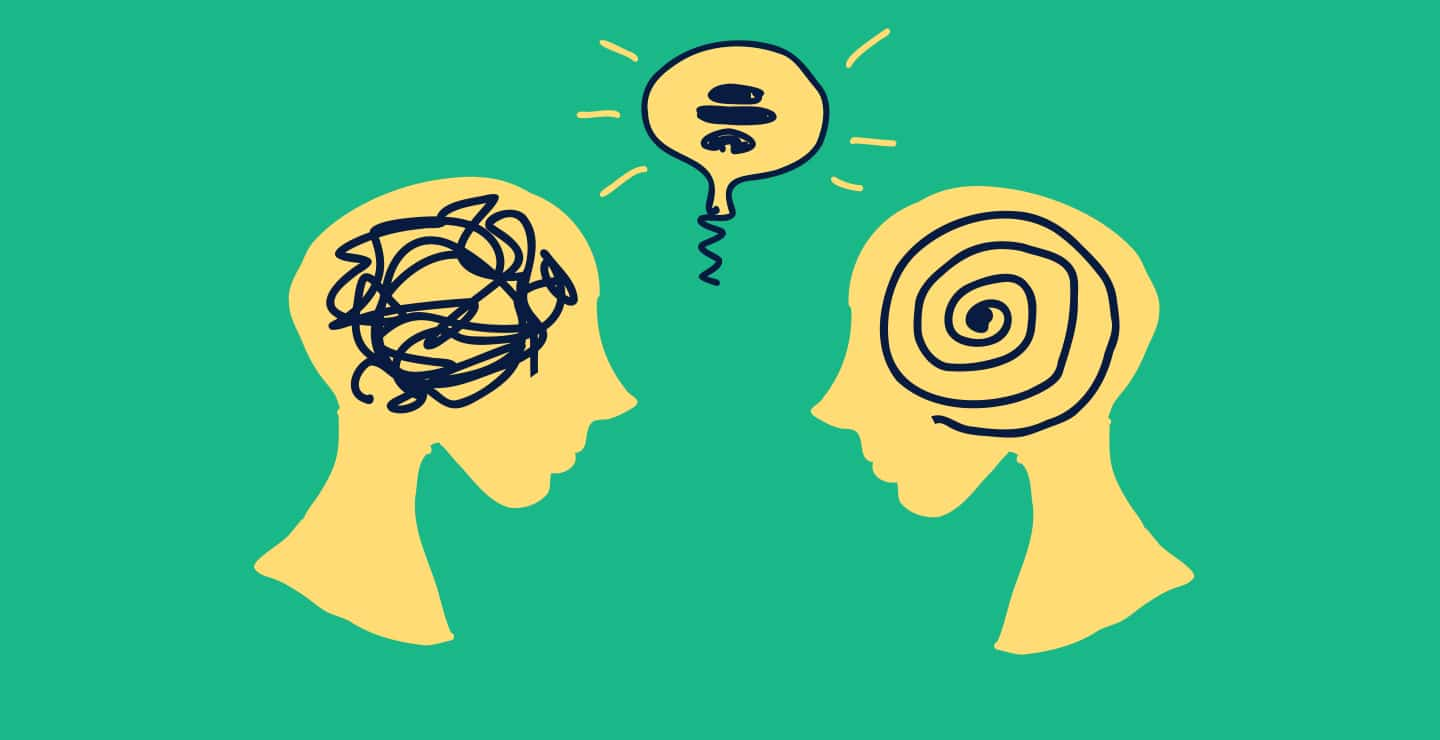
We like to offer our own thoughts on an argument, yet while these ideas may seem original, they actually lack dialectical independence. Dialectical thinking is common among experienced people, usually manifesting as openness, scientific thinking, and duality. Openness is reflected in being able to look beyond one's own viewpoint, draw new inspiration from it, and discard old knowledge. Scientific thinking is reflected in how people tend to trust data-backed cases, hoping to arrive at conclusions through reason. Duality means we are good at using binary oppositions to shift our angle of thinking, such as subjective versus objective, reason versus emotion, and so on.
Explanation
But I think most people lack the capacity for critical thinking. I can clearly see the pros of openness, scientific thinking, and duality (pros and cons themselves are a form of duality), but we must think further about the downsides of these three modes of thinking when critical thinking is absent. If our openness has no ripples—merely absorbing and digesting endlessly—we may end up as an information trash can, its smooth surface lacking the beauty of rough texture; if we blindly trust noisy data, we lose the ability to investigate further, missing the scientific spirit of pursuing truth (at the end of the day, many people still lack mathematical and engineering thinking); and if we can only use dualistic thinking, we can fall into decision-making dilemmas, as if at some point we can only make a black-and-white choice. Taking it a step further, the extreme trap of dualistic thinking is doublethink.
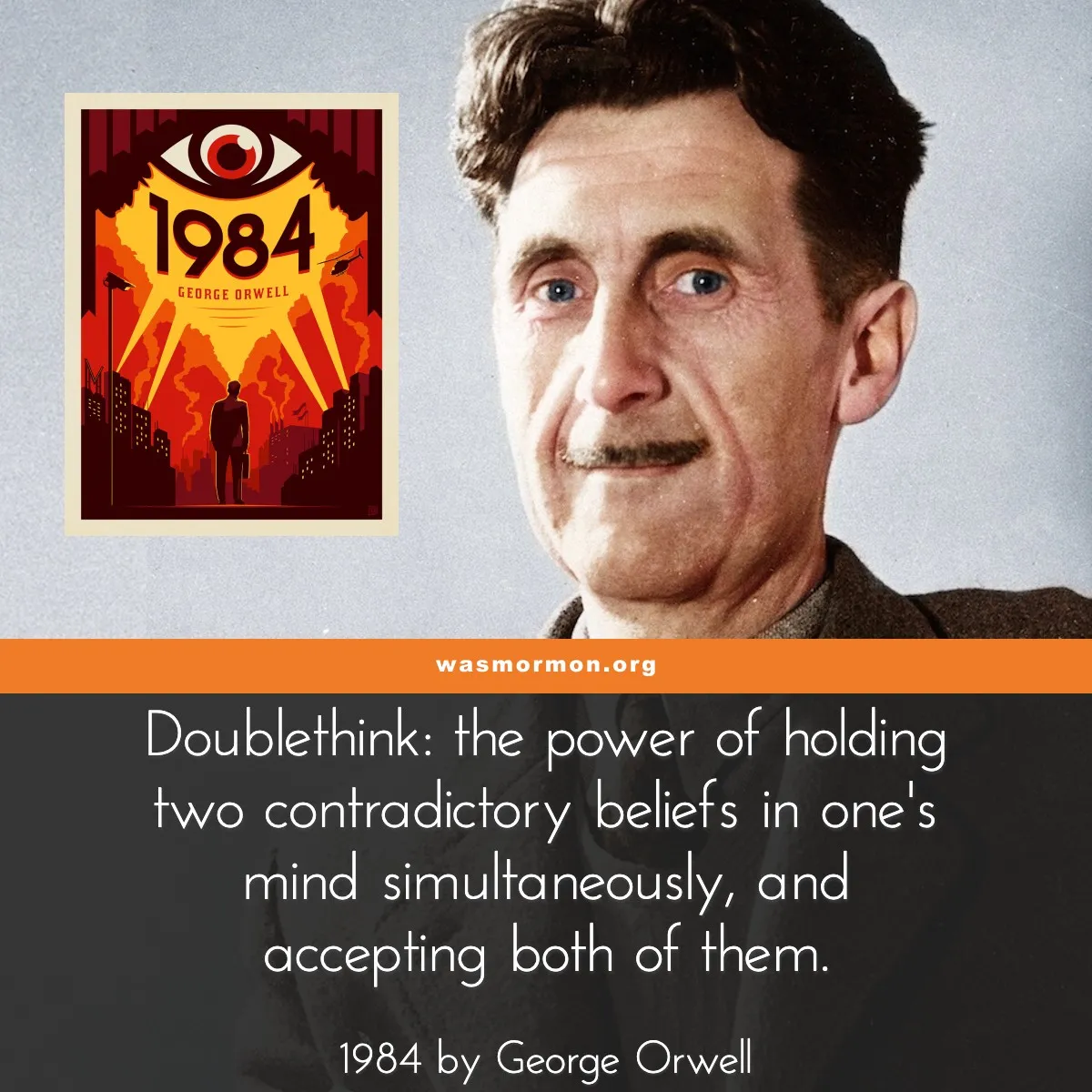
If we don't consciously correct this subconscious self-protective behavior, it will not only cause confusion in how information spreads, but may also further erode our ability to think independently, as if we can only feel satisfied after seeing both sides of everything. Perhaps this stems from the fear brought on by Cancel Culture—worrying we might offend certain groups, and choosing to live cautiously as a result.
Choice
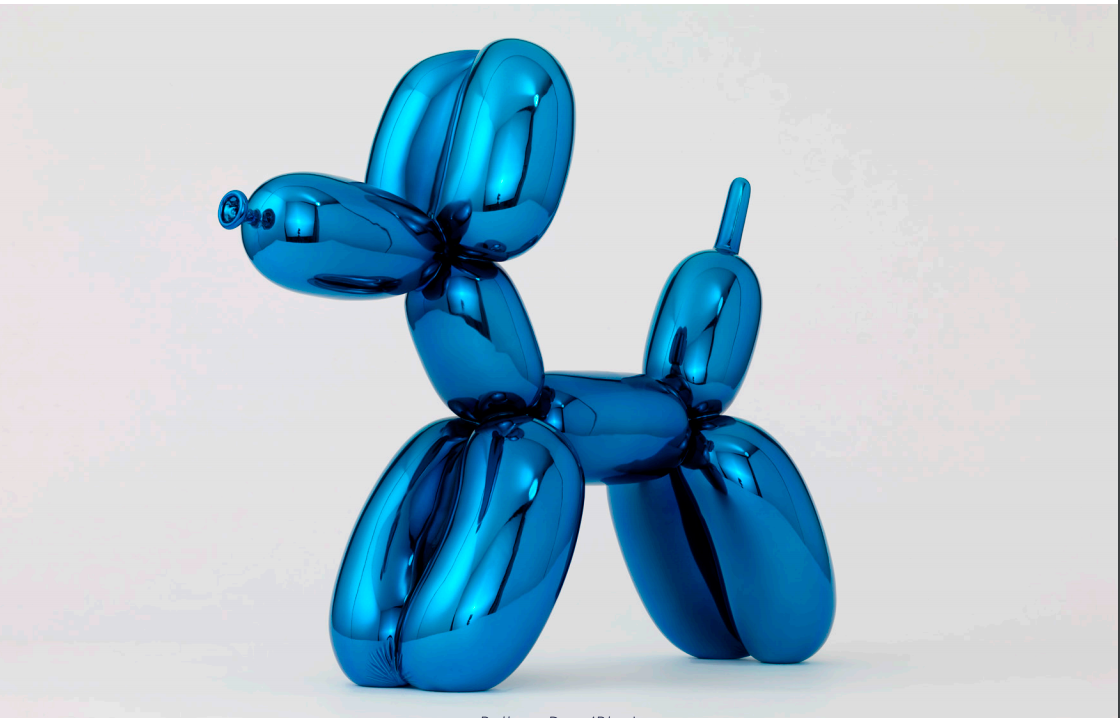
I think we should learn how to clearly state our stance. I think a stance is actually an active value judgment. I emphasize "active" because ultimately we need to take action, rather than just stopping at thought. What we need to avoid is intensely extreme ideology, because it makes people lose their rationality. On the other hand, we should also give up the pleasure that comes from simplistic thinking, and stop using syntax sugar that makes the surface overly glossy and flashy—just like Jeff Koons's Balloon Dog, smooth on the outside yet lacking depth.
On this point, my view is similar to Professor Zhu Guangqian's view on aesthetics.
We should learn to enjoy the challenges and pain in the pursuit of knowledge—that feeling of our own smallness and helplessness as our learning goes deeper. Just as formally trained art students constantly refine their sense of perspective, we too should transform the surface images captured by the naked eye into an understanding with three-dimensional depth and information. We must pursue depth of thought.